
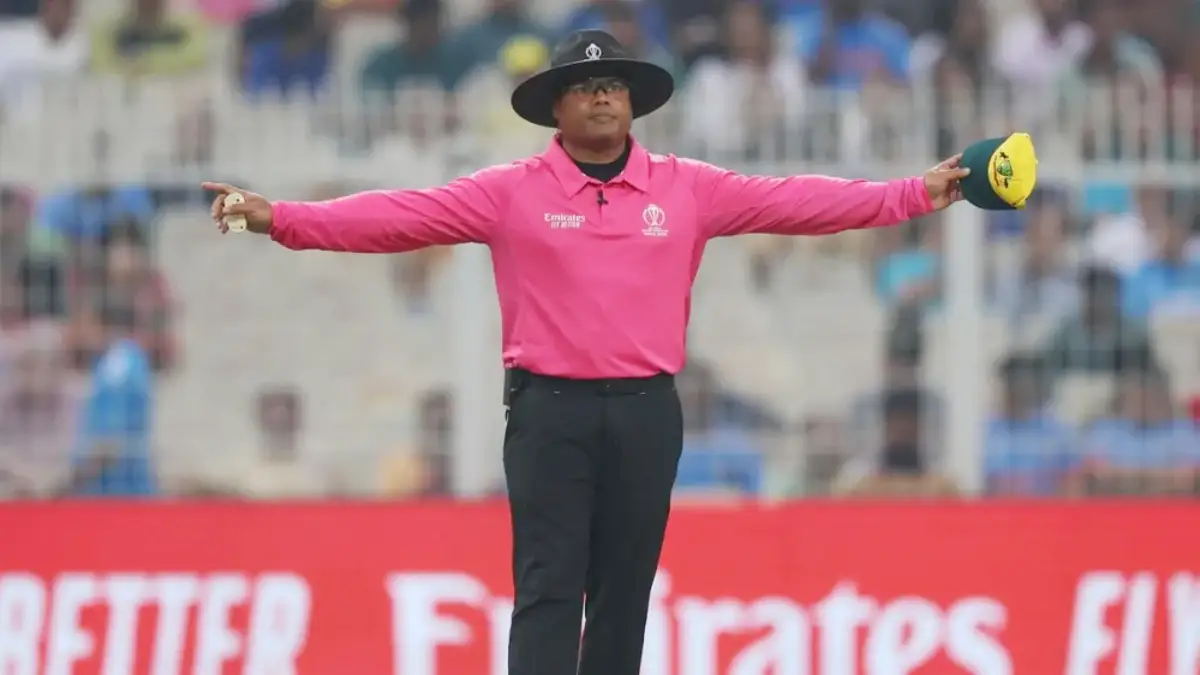

A new wide-ball rule is being trialled in the ongoing India vs Australia series (October 2025), marking the ICC’s biggest update to white-ball playing conditions in recent years. The experimental rule aims to give bowlers more leeway, addressing long-standing imbalances caused by batters moving across the crease during deliveries.
How the new wide rule works
Under the trial conditions, an umpire will now judge wides based on the batter’s position at the point of delivery, not their final position when the ball passes.
- Old rule: Any delivery passing down the leg side, even if the batter shuffled across toward off stump, was automatically called a wide.
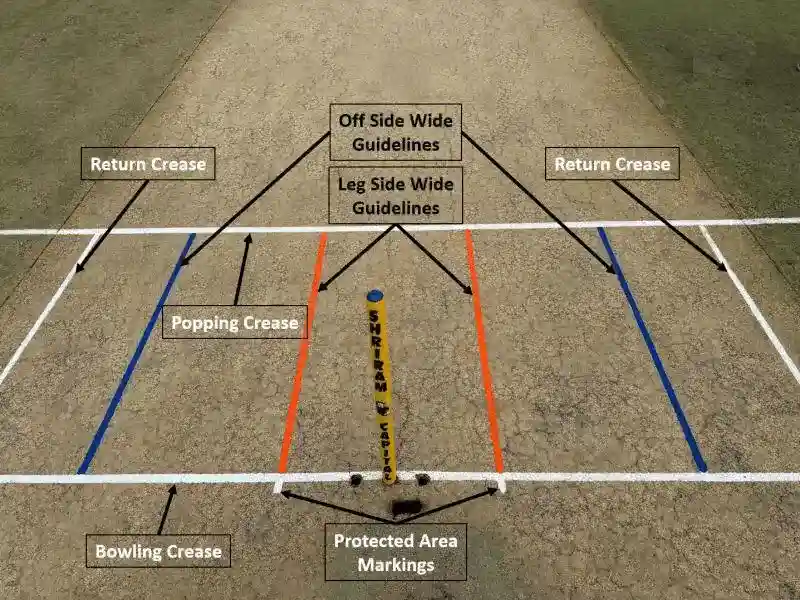
- New rule: If the ball passes between the leg stump and the “protected area marker” when it reaches the popping crease, it will not be called wide, even if the batter moved across.
- The protected area marker line has been extended to the popping crease to guide umpires in making these calls.
Goal of the Change
The ICC introduced this rule to balance the contest between bat and ball. Batters often exploited the earlier rule by dancing across the crease, forcing bowlers to bowl wide on the leg side and still conceding an extra. The new rule gives bowlers room to adjust their line and play to conventional tactics without punishment.
Background
This regulation was first tested in the Tamil Nadu Premier League (TNPL) 2025, where it led to a noticeable drop in wides, from 311 to 275, while overall scoring remained high. Encouraged by those results, the ICC approved a six-month trial period across ODIs and T20Is starting October 2025, debuting in the India–Australia series.
What it means going forward
If this experiment proves successful and consistent for umpires, the ICC may incorporate it permanently into international limited-overs cricket from mid-2026. It signals a shift toward rewarding accuracy and adaptability among bowlers, bringing new strategic dynamics to white-ball cricket.