
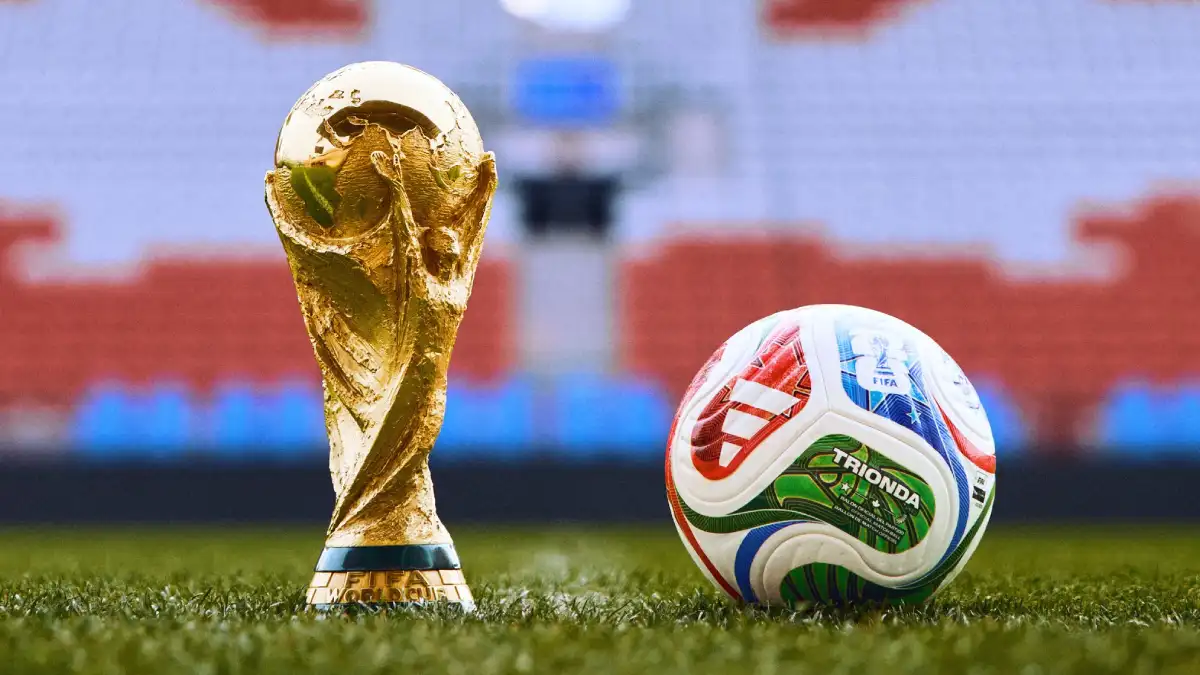
India and China will not broadcast the 2026 FIFA World Cup, as no deal has been signed between them.
India and China are the two most populous countries in the world, and millions of football fans in those countries may not be able to watch the FIFA World Cup next month. This is because there is a deadlock over broadcast rights in India and no official decision in China.
FIFA says that China, which made up 49.8% of all hours of viewing on digital and social media platforms around the world during the 2022 World Cup, has not announced a deal. India has not either.
Football Fans Shocked!
The global governing body for football, FIFA, told the Reuters news agency that it has signed deals with broadcasters in at least 175 countries around the world.
“Discussions in China and India regarding the sale of media rights for the FIFA World Cup 2026 are ongoing and must remain confidential at this stage,” the statement said.
At this point, it’s strange that there isn’t a confirmed broadcast deal with India or China. Chinese state broadcaster CCTV got the rights to show the World Cup well in advance, and they started airing promotional content and sponsor-driven ads weeks before the tournament in 2018 and 2022.
The tournament starts on June 11, 2026, which gives you only five weeks to finalise the deal, set up the broadcast infrastructure, and sell advertising space.
The delay has also worried advertisers and sponsors, many of whom depend on the World Cup to reach a lot of people in Asia. India and China have huge populations and football markets that are growing quickly. Brands spend a lot of money on international tournaments in these countries.
Companies are having trouble planning marketing campaigns, negotiating ad rates, and scheduling promotional partnerships that are tied to World Cup coverage because they don’t know for sure who will be broadcasting the games.
The uncertainty in India is especially surprising because football has become more popular there over the past ten years. The Premier League and the UEFA Champions League are two European club football leagues that have a lot of young fans. Millions of people watch major international tournaments on TV and streaming services all the time.
Experts in the field think that disagreements over prices and rights to stream content online may be making the current deadlock worse.
Even though the national team isn’t in the tournament, China is still one of FIFA’s most valuable markets. Chinese companies spent billions on sponsorships during past World Cups, and broadcasters heavily promoted the event weeks before it started.
People are starting to think that the negotiations might be harder than they thought because there hasn’t been an official announcement this close to the start of the game.
Also Read: 10 Best Apps To Watch 2026 FIFA World Cup Live Streaming Free
The uncertainty about broadcasting also shows how the world of sports media is changing. Streaming services are now competing with traditional TV networks for exclusive digital rights, especially in places like India and China, where a lot of people use mobile devices first.
FIFA has been putting more and more emphasis on global streaming partnerships and digital engagement, which may be affecting how quickly talks are moving forward.
Fans on social media are already getting angry, and many are worried that if an agreement isn’t reached soon, they will have to use unofficial streams. Some people are still hopeful that a last-minute deal will be reached, as it has happened in some areas before other international tournaments.
FIFA needs to get broadcasts in India and China not only to boost TV ratings, but also to keep the tournament’s global commercial reach and long-term growth in Asia.

